
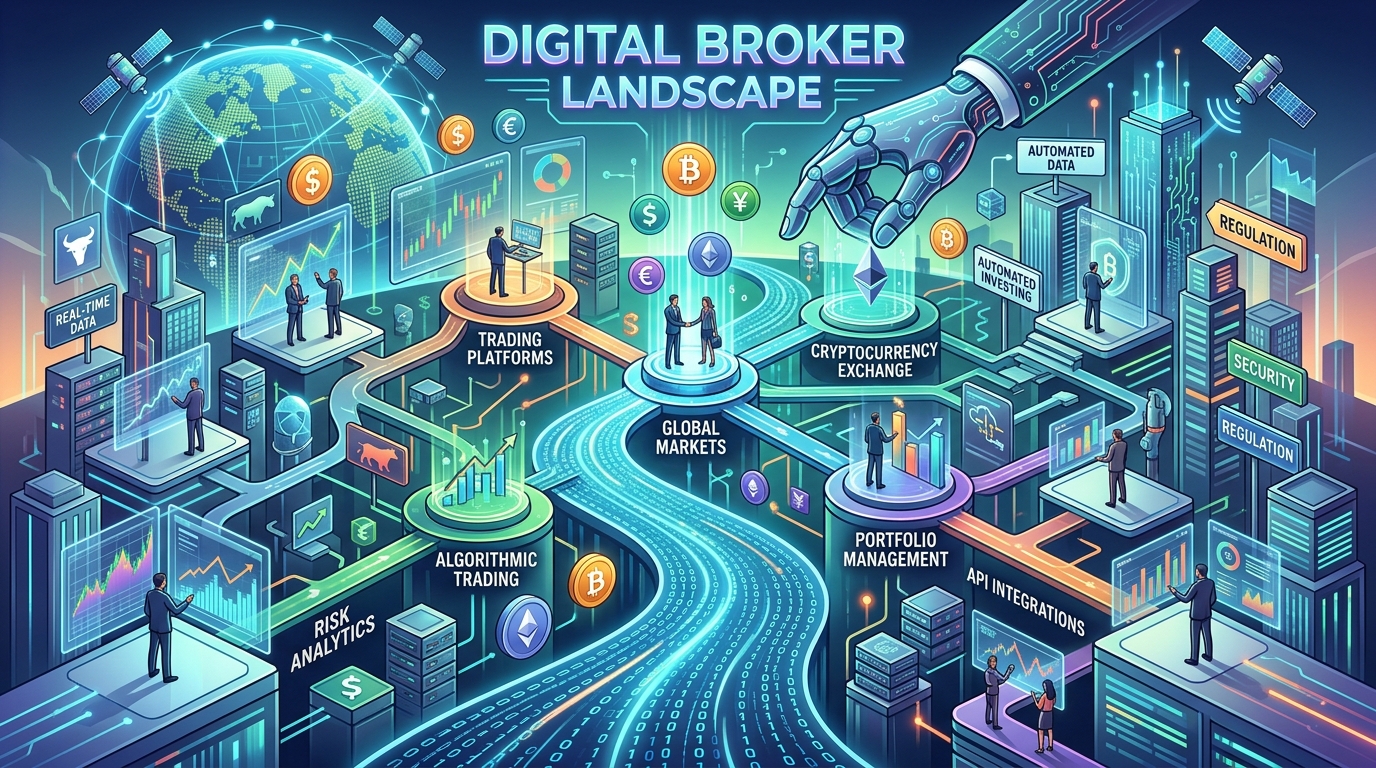
It usually starts in a quiet way. A late-night search. A half-remembered name. A link seen once and never fully understood. Somewhere in that scattered digital moment, myfastbroker.com enters the frame not as a fully recognized brand, but as something more ambiguous, something users feel compelled to look up rather than simply ignore.
And that’s where the story begins.
Because the internet has a pattern: it doesn’t just amplify the loudest platforms. It also magnifies the most questioned ones. The ones that sit slightly outside the immediate circle of clarity. The ones people search twice because the first answer never feels complete.
MyFastBroker.com exists in that exact space of digital uncertainty and curiosity. Not fully defined in public conversation, yet repeatedly searched. Not always explained clearly, yet consistently revisited by users trying to understand what it represents.
As online curiosity increased, so did the surrounding questions about purpose, legitimacy, user experience, and what role platforms like this play in a rapidly evolving online broker ecosystem.
But the real story isn’t just about one website.
It’s about how modern internet users investigate financial platforms, how trust is built or broken through search behavior alone, and how digital reputation now forms long before any official explanation is even read.
The Digital Shadow of MyFastBroker.com
Every online platform leaves behind a trace, but not all traces are equally clear.
MyFastBroker.com appears in a category of websites that users often encounter indirectly through search suggestions, comparison discussions, or fragmented mentions across the web. It doesn’t always enter conversations as a fully established brand; instead, it surfaces as a keyword people feel they need to decode.
What makes this interesting is not just the site itself, but the behavior around it.
Users don’t just visit once. They search, leave, return, and refine their queries. That cycle creates a digital shadow an echo of curiosity that becomes more visible than the original source.
And in that shadow, patterns begin to form:
- Users searching for reviews
- Users checking legitimacy
- Users comparing broker platforms
- Users trying to understand services offered
This kind of behavior is often the first signal that a platform is moving into broader public awareness even before mainstream recognition arrives.
First Impressions in a Fast-Scrolling World
The first interaction users have with a platform like myfastbroker.com is rarely deep it’s visual, fast, and instinctive.
Modern users decide in seconds whether a platform feels trustworthy. They look at structure, clarity, language tone, and design flow. If something feels off even slightly the browser tab is closed, and a search query replaces it.
That’s where perception begins to form faster than explanation.
What many users notice first is not what a platform is, but what it feels like. In the case of broker-related websites, that feeling becomes especially important because financial context naturally increases caution.
The modern internet doesn’t give platforms time to slowly build trust. It demands immediate coherence.
And so MyFastBroker.com becomes part of a larger behavioral pattern: quick scanning, immediate judgment, and follow-up searching.
That follow-up search is where the real story starts unfolding.
Why People Search MyFastBroker.com
Search behavior is rarely random.
When users type myfastbroker.com into search engines, they are usually not looking for basic information. They are searching for confirmation something that validates their first impression or resolves uncertainty.
Common search intent patterns include:
- Is myfastbroker.com legit
- myfastbroker.com reviews
- what is myfastbroker.com used for
- myfastbroker broker platform
Behind these queries lies a deeper psychological need: trust validation.
In financial-related platforms especially, users tend to double-check everything. One unclear detail can trigger an entire search loop. That loop becomes a journey one where users gradually build their own understanding instead of relying on a single explanation.
As online curiosity increased, MyFastBroker.com became part of that investigative cycle.
And once a platform enters that cycle, it rarely stays static in public perception.
The Broker Comparison Culture Online
Modern users don’t just choose platforms they compare them.
The rise of digital finance tools has created an entire culture of comparison-based decision making. Users constantly evaluate:
- Fees
- Interfaces
- Accessibility
- Reviews
- Security signals
MyFastBroker.com appears within this broader comparison ecosystem, where users actively try to position one platform against another.
This is not unique it’s the default behavior of today’s internet users.
But what makes broker comparison culture especially intense is the emotional weight behind it. Financial platforms are not casual tools; they involve trust, money, and long-term decisions.
So users naturally become more analytical, more cautious, and more dependent on external validation before forming opinions.
That’s why platforms in this space often gain visibility not through advertising alone, but through search-driven comparison behavior.
The User Journey Behind the Search
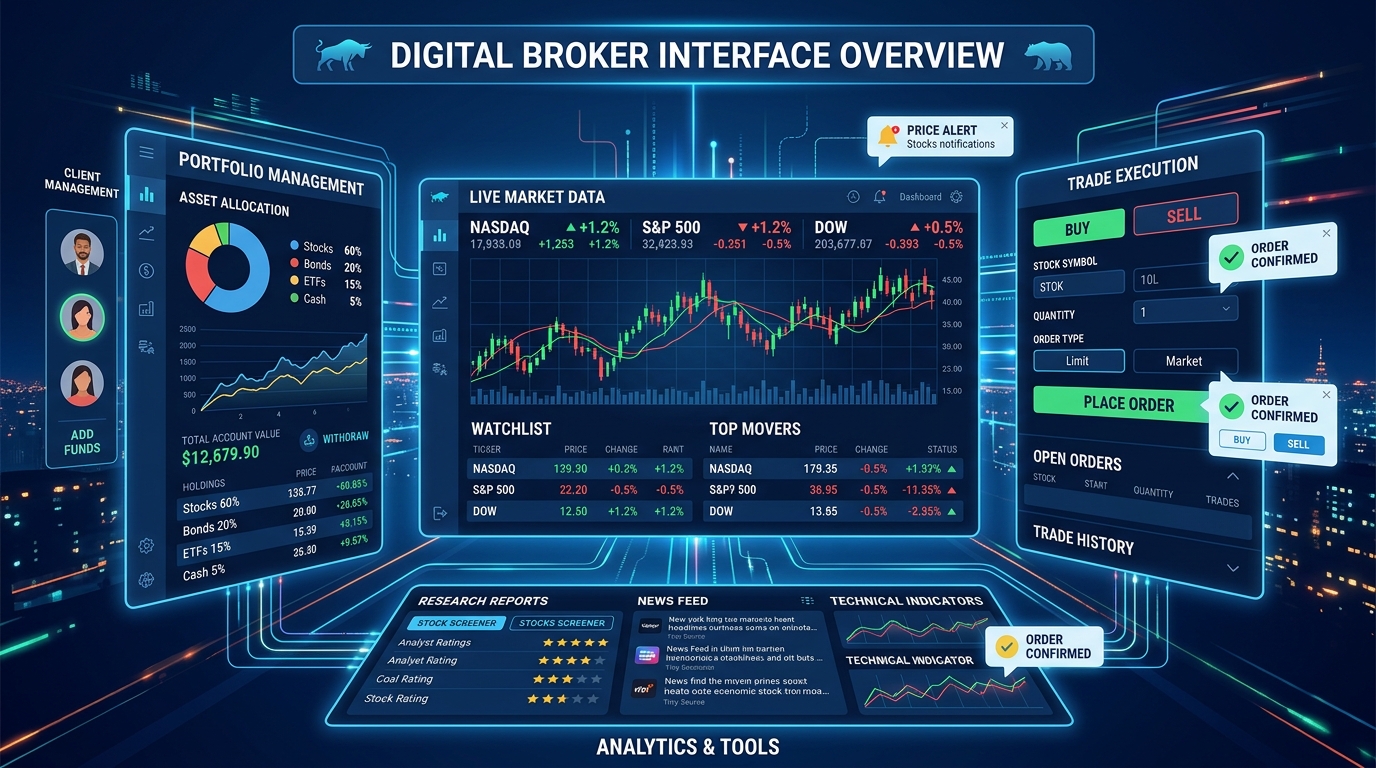
A typical user journey around myfastbroker.com doesn’t follow a straight line.
It looks more like a loop.
A user encounters the name → searches it → finds partial information → becomes uncertain → searches again with variations → compares alternatives → returns to evaluate again.
This looping behavior is central to modern digital exploration.
Instead of receiving a clear answer immediately, users construct understanding through fragmented pieces of information scattered across the web.
And that process changes how platforms are perceived.
MyFastBroker.com, in this context, becomes less of a static website and more of a search experience something users actively interpret rather than passively consume.
That interpretation becomes the real product of the internet itself.
Features Users Associate With Broker Platforms
While specific details vary depending on platform structure, users generally associate broker-related websites with several expected functionalities.
These often include:
- Trading access tools
- Market dashboards
- Account management systems
- Analytical charts
- Investment tracking features
Even when users are not fully certain what MyFastBroker.com offers, their expectations are shaped by industry patterns.
The modern internet works through mental templates. Once users identify a category such as broker platform they automatically apply expectations based on previous experiences.
This means perception often precedes confirmation.
And that gap between expectation and understanding is where curiosity grows.
Trust Signals and Digital Caution
Trust online is no longer built through branding alone.
It is built through signals.
Users look for:
- Clear contact information
- Transparent explanations
- Consistent design language
- Independent reviews
- Regulatory clarity
When any of these signals feel incomplete, users begin searching externally for validation.
That is a key reason MyFastBroker.com appears frequently in search queries. People are not just exploring they are verifying.
What many users don’t realize, however, is that this verification behavior has become a standard part of internet culture, especially in financial and service-based platforms.
Trust is no longer given. It is assembled.
Piece by piece.
Legitimacy Questions in the Age of Search
One of the most common online behaviors today is legitimacy checking.
Users rarely accept platforms at face value anymore. Instead, they search:
- (Is this real?)
- (Is this safe?)
- (Is this trustworthy?)
MyFastBroker.com exists within that investigative environment.
But legitimacy online is not always a simple yes-or-no answer. It often depends on:
- User experience consistency
- Transparency of operations
- External reputation signals
- Community feedback patterns
The internet doesn’t always provide a single authoritative answer. Instead, it provides layers of interpretation that users must evaluate themselves.
That makes perception just as important as fact.
Reputation in Fragmented Digital Spaces
Reputation today is decentralized.
It does not live in one place. Instead, it exists across search engines, forums, discussion threads, and social mentions.
MyFastBroker.com’s reputation like many emerging or lesser-known platforms is shaped by fragmented information rather than unified narratives.
Some users may find clarity quickly. Others may encounter conflicting impressions. That inconsistency is what drives further search behavior.
And search behavior, in turn, reinforces visibility.
This loop is one of the defining mechanisms of modern internet reputation-building.
Search Trends and Rising Curiosity
Search trends often reveal more than traffic numbers they reveal intent patterns.
The presence of keywords like myfastbroker.com in search engines suggests ongoing curiosity cycles rather than one-time interest.
Users don’t just search once. They refine queries repeatedly.
That creates patterns like:
- Initial discovery searches
- Clarification searches
- Comparison searches
- Validation searches
This layered behavior indicates that the platform sits within an active curiosity space online.
And curiosity, once activated, tends to sustain itself longer than passive interest.
Social Mentions and Quiet Visibility
Not all digital growth is loud.
Some platforms gain visibility through subtle repetition across online spaces rather than viral moments.
Mentions of MyFastBroker.com whether in discussions, comparisons, or search references contribute to what can be described as quiet visibility.
This form of presence is especially powerful because it builds familiarity without overwhelming the user.
And familiarity, over time, often translates into search authority.
Even if users are unsure about a platform, repeated exposure makes it feel recognizable.
That recognition fuels further investigation.
User Experience Expectations
When users land on a broker-related platform, expectations are already formed.
They expect:
- Speed
- Clarity
- Structured dashboards
- Responsive interfaces
- Transparent navigation
MyFastBroker.com, like any platform in this category, is evaluated through this lens.
And in modern UX psychology, even small friction points can influence perception significantly.
If something feels slow, unclear, or overly complex, users immediately return to search engines to compare alternatives.
This behavior reinforces the importance of seamless design in digital finance ecosystems.
The Landscape of Alternatives
No platform exists in isolation.
Users exploring MyFastBroker.com are almost always simultaneously looking at alternatives.
This includes:
- Other broker comparison tools
- Financial dashboard platforms
- Trading interfaces
- Investment management services
The comparison landscape is vast, and users often shift between platforms quickly based on perceived clarity and trust signals.
This competitive environment makes visibility both an opportunity and a challenge.
Because attention is constantly moving.
Risks, Uncertainty, and User Awareness
Whenever users engage with unfamiliar financial platforms, caution becomes part of the experience.
Not necessarily fear but awareness.
Users consider:
- Data security
- Platform transparency
- Financial reliability
- Reputation consistency
MyFastBroker.com, as part of this ecosystem, is evaluated under the same cautious lens that defines modern internet behavior.
What stands out is not necessarily risk itself, but the heightened sensitivity users bring into the search process.
Today’s internet users are more informed, more skeptical, and more investigative than ever before.
The Future of Broker Discovery Platforms
The broader story behind MyFastBroker.com is not just about one platform it reflects a shift in how users discover financial tools online.
Search-first discovery is becoming dominant.
Instead of being introduced through advertisements or institutional channels, users now find platforms through:
- Search engines
- Comparisons
- Social mentions
- Curiosity loops
This changes everything about digital reputation and platform growth.
MyFastBroker.com exists within that evolving system where discovery is continuous, fragmented, and user-driven.
And that system is only becoming more influential over time.
Conclusion
The story of myfastbroker.com is not simply about a website existing in the digital space.
It is about how modern users interact with uncertainty.
It is about how trust is built through search behavior rather than direct introduction.
And it is about how curiosity itself has become one of the strongest forces shaping online visibility today.
In an internet ecosystem where information is endless but clarity is fragmented, platforms like MyFastBroker.com become part of a larger narrative
one defined not by certainty, but by continuous exploration.
And that exploration, more than anything else, is what keeps the digital world moving forward.
FAQs
What is myfastbroker.com?
It is a platform name frequently searched online, associated with broker-related digital services and user curiosity around its purpose.
Why are people searching myfastbroker.com?
Users often search it to understand its legitimacy, features, and relevance within broker comparison ecosystems.
Is myfastbroker.com widely recognized?
It appears in search trends and user queries, indicating growing but still exploratory awareness.
Why do users compare broker platforms online?
Because financial decisions require trust, users evaluate multiple platforms before making informed choices.
Is it safe to use broker comparison sites?
Safety depends on transparency, regulation, and user research. Most users verify details before engaging.
What makes MyFastBroker.com stand out in searches?
Its visibility appears driven by curiosity-based search behavior and comparison-driven traffic.
Why do unknown platforms gain attention?
Mystery and incomplete information often trigger repeated searches and online investigation.
Will broker platforms like this grow in the future?
Search-driven financial discovery is increasing, so similar platforms are likely to gain more visibility.