

If you have ever eaten a California roll or any sushi topped with tiny bright orange eggs, you have already tasted smelt roe. This popular sushi ingredient is known by many names. Some call it masago. Others call it capelin roe. But the most accurate name is smelt , as it comes from the capelin fish, which belongs to the smelt family .
Smelt roe has become increasingly popular in Western countries as sushi continues to gain mainstream acceptance. Those tiny crunchy beads add color, texture, and a mild briny flavor to many dishes. But smelt is more than just a pretty garnish. It is a nutritional powerhouse packed with protein, omega-3 fatty acids, vitamin B12, and other essential nutrients .
Despite its popularity, many people do not fully understand what smelt roe is. Some confuse it with tobiko or flying fish roe. Others wonder if it is the same as caviar. This confusion is understandable because these different types of roe look very similar. However, each has unique characteristics in terms of taste, texture, and nutritional value.
This complete guide will answer every question you have about smelt roe. You will learn exactly what smelt roe is and where it comes from. You will discover its impressive health benefits and nutritional profile. You will find out how to eat it, how to cook with it, and where to buy it. You will also learn about potential side effects and sustainability concerns. By the end of this guide, you will be a true expert on smelt.
What Is Smelt Roe? A Clear Definition
Smelt roe is the edible eggs of the capelin fish, scientifically known as Mallotus villosus . The capelin is a small foraging fish that belongs to the smelt family Osmeridae. These fish are typically about the size of a sardine, growing to around six inches or fifteen centimeters in length . They are found in the cold waters of the North Atlantic, North Pacific, and Arctic oceans .
The Japanese name for smelt roe is masago. This is the term you will most often see on sushi menus and in Asian grocery stores. The word masago refers specifically to the cured and prepared roe that is sold as a food product.
Smelt roe is harvested from female capelin fish when they are full of eggs but before they have the chance to spawn . The eggs are then separated from the ovarian membrane, washed, and cured in a salt brine. This curing process preserves the roe and enhances its flavor.
The natural color of smelt is a pale yellow. However, most smelt sold commercially is dyed to make it more visually appealing. Bright orange is the most common color, but you can also find smelt roe dyed red, green, or even black . The dye does not significantly affect the taste. It is purely for presentation.
Smelt has a mild, slightly salty flavor. The texture is distinctly crunchy, with each tiny bead popping gently when bitten . This combination of mild taste and satisfying texture makes smelt a versatile ingredient that pairs well with many other foods.
Smelt Roe vs Other Fish Roe: Key Differences
Many people confuse smelt roe with other types of fish roe, particularly tobiko and caviar. Understanding the differences will help you make informed choices when buying or ordering.
Smelt Roe vs Tobiko
Tobiko is the Japanese word for flying fish roe. These two ingredients look very similar but have important differences. Tobiko eggs are slightly larger than smelt roe eggs. They also have a crunchier texture and a more pronounced flavor . Tobiko is naturally reddish orange and is not typically dyed as often as smelt roe.
Tobiko is generally considered a higher end sushi ingredient than smelt. It costs more and is prized for its superior texture. Smelt roe is more affordable and is used more frequently in budget friendly sushi rolls and as a garnish . Many restaurants use smelt as a substitute for tobiko to lower costs while maintaining a similar visual appearance.
Smelt Roe vs Caviar
True caviar comes exclusively from sturgeon fish. It is much larger than smelt roe, with a softer texture that melts in the mouth rather than popping. Caviar has a rich, buttery, and complex flavor that is completely different from the mild taste of smelt. Caviar is also significantly more expensive, often costing hundreds or even thousands of dollars per pound .
Smelt Roe vs Ikura
Ikura is salmon roe. These eggs are much larger than smelt, typically five to seven millimeters in diameter. Ikura has a firm, bouncy texture that pops dramatically when bitten. The flavor is richer and more briny than smelt roe. Ikura is considered a premium sushi topping.
Smelt Roe vs Ebiko
Ebiko is the Japanese word for shrimp roe, though the term is sometimes used for capelin roe products as well . True ebiko comes from shrimp and has a darker orange color and smaller eggs than tobiko. Many commercial ebiko products are actually made from capelin roe, adding to the confusion.
Nutritional Profile of Smelt Roe
Smelt roe is remarkably nutrient dense despite its small size. It is low in calories but packed with protein, healthy fats, vitamins, and minerals . Here is the nutritional breakdown for a typical serving of smelt roe.
According to data from Healthline, a one ounce or 28 gram serving of fish roe contains approximately 40 calories, 2 grams of fat, and 6 grams of protein . The carbohydrate content is less than 1 gram, making smelt roe a very low carb food.
The protein in smelt roe is high quality, containing all nine essential amino acids that your body cannot produce on its own . In fact, a 2022 scientific study found that smelt roe contains 11.38 to 15.00 grams of protein per 100 grams of wet weight .
Smelt roe is exceptionally rich in vitamin B12. Just one serving provides 47 percent of the daily value for this essential nutrient . Vitamin B12 is crucial for nerve function, red blood cell formation, and DNA synthesis. A deficiency in B12 can lead to fatigue, weakness, and neurological problems.
The vitamin content of smelt also includes vitamin C at 7 percent of the daily value, vitamin E at 10 percent, riboflavin or B2 at 12 percent, and folate or B9 at 6 percent . Smelt also contains vitamin D, which supports bone health and immune function .
The mineral content is equally impressive. Selenium provides 16 percent of the daily value per serving, while phosphorus provides 11 percent . Smelt roe also contains magnesium, iron, and calcium . The calcium content is particularly notable when eating whole smelt fish with the bones, which are soft and edible .
Smelt roe is rich in omega-3 fatty acids, including EPA and DHA. These healthy fats are essential for heart, brain, and eye health. The unsaturated fat content in smelt roe is more than 70 percent of its total fat content . The ratio of unsaturated to saturated fatty acids ranges from 2.78 to 4.06, indicating a very healthy fat profile .
Top Health Benefits of Smelt Roe
The impressive nutritional profile of smelt roe translates into real health benefits for those who eat it regularly. Here are the most significant ways smelt roe can improve your health.
Heart Health Support
The omega-3 fatty acids in smelt are well documented for their cardiovascular benefits. These essential fats help your body produce hormones that control blood clotting and prevent inflammation of the heart’s artery walls . Researchers have found that people who eat more omega-3 fats are less likely to develop heart disease than those who eat less. The healthy fat profile of smelt roe, with its high unsaturated to saturated fat ratio, further supports heart health .
Brain Function
The DHA in smelt roe is a primary structural component of the human brain. Adequate intake of DHA supports memory, focus, and overall cognitive health. Some studies suggest that regular consumption of omega-3 rich foods may help protect against age related cognitive decline.
Eye Health
Omega-3 fatty acids are an important part of the structure of the retina, the layer of cells at the back of your eye that helps you see . While the exact role they play in eye health is not fully understood, multiple studies have found that omega-3s help the eyes of infants and young children develop properly.
Bone Health
Smelt roe contains vitamin D, which can help prevent bone loss and fractures over the long term. Doctors sometimes recommend vitamin D supplements to reduce the risk of osteoporosis . When you eat whole smelt fish, you also get calcium from the soft edible bones, further supporting bone health .
Reduced Inflammation
The omega-3 fatty acids in smelt are known to reduce symptoms of inflammation throughout the body. This may have important benefits for people living with rheumatoid arthritis and other inflammatory conditions .
Weight Management
Protein rich foods like smelt roe can help with weight management by reducing cravings. Studies show that eating foods high in protein can cut cravings, especially at night, by half . With only 40 calories per serving, smelt roe provides substantial nutrition without excess calories.
Muscle Maintenance
You need protein rich foods like smelt roe to build new muscles and maintain the ones you have. If you are starting a strength training program, adding protein to your diet can help you achieve better results .
How Is Smelt Harvested and Processed?
Understanding how smelt roe is harvested and processed helps you appreciate this unique food and make informed choices as a consumer.
The capelin fish are harvested from the cold waters of the North Atlantic, North Pacific, and Arctic oceans. Iceland and Canada are major sources of smelt roe . Female capelin are targeted specifically for roe production. They are caught when they are full of eggs but before they have had the chance to spawn .
Interestingly, about 80 percent of harvested capelin is actually used to produce fishmeal and fish oil products for animal feed and fertilizer. Only the remaining 20 percent is used to produce smelt roe for human consumption . This means that smelt production is somewhat of a byproduct of the larger capelin fishing industry.
Once the fish are caught, the roe is extracted from the female capelin. The eggs are separated from the ovarian membrane and thoroughly washed. The cleaning process removes any blood, tissue, or impurities.
After washing, the roe is cured in a salt brine. This curing process preserves the roe, enhances its flavor, and gives it the characteristic glossy appearance. Some high quality products use minimal salt to let the natural flavor shine through. Other products may include additional ingredients like monosodium glutamate or high fructose corn syrup, so it pays to read labels carefully .
The final step is dyeing. Natural smelt is a pale yellow color. Most consumers expect bright orange roe on their sushi, so manufacturers add food coloring. Some products are also flavored with wasabi, squid ink, or ginger, which changes both the color and the taste .
The finished product is packaged and shipped frozen or refrigerated to markets around the world. Smelt roe is available at Asian grocery stores, specialty seafood markets, and online retailers.
How to Eat Smelt Roe: Culinary Uses
Smelt roe is incredibly versatile in the kitchen. Its mild flavor and crunchy texture make it a welcome addition to many dishes. Here are the most popular ways to enjoy smelt roe.
Sushi and Sushi Rolls. This is the most common use for smelt roe. It is often sprinkled on top of California rolls, spicy tuna rolls, and other sushi creations. The bright orange color adds visual appeal, while the mild briny flavor complements the other ingredients without overpowering them.
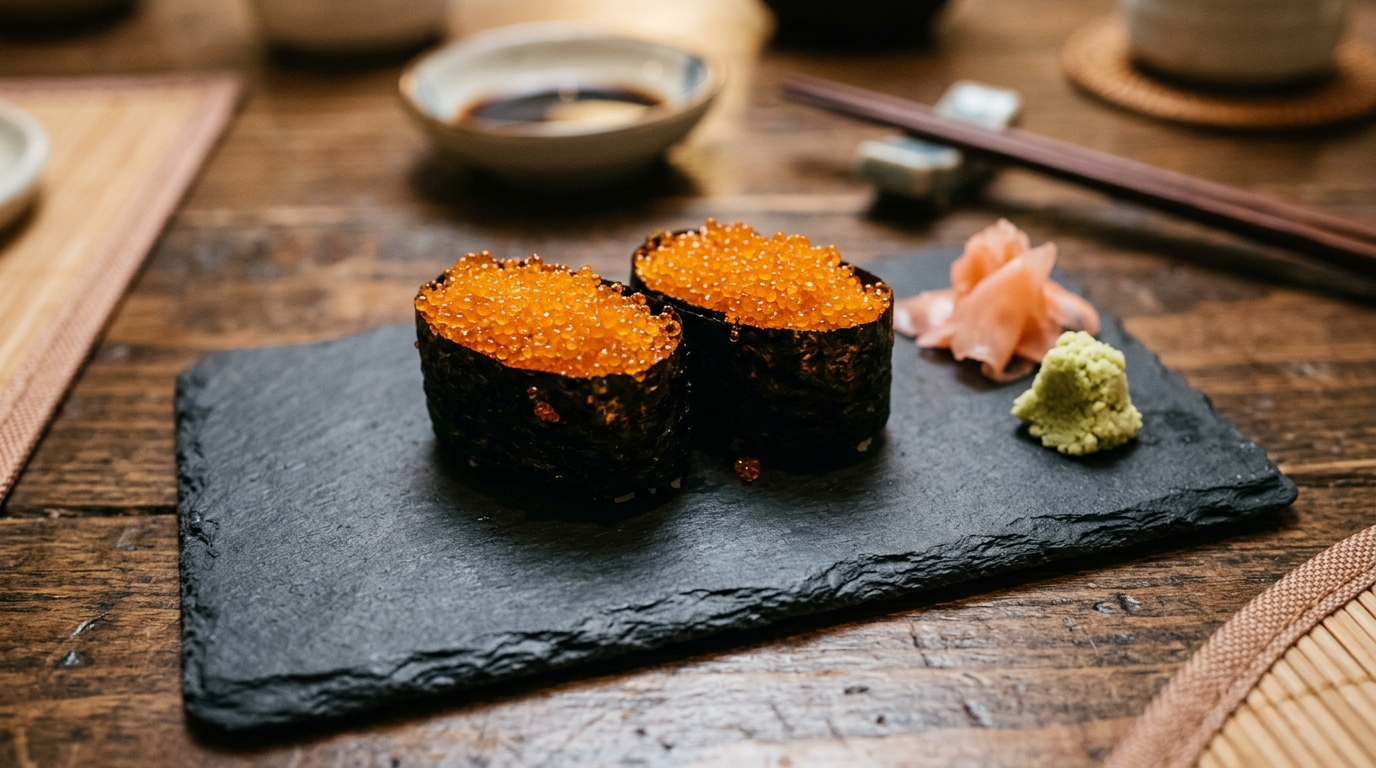
Gunkan Maki. This battleship roll features a mound of sushi rice wrapped with a strip of nori seaweed. Smelt roe is piled on top of the rice, creating a beautiful and delicious bite. The nori acts as a wall to hold the loose pearls in place.
As a Garnish. A spoonful of smelt roe can elevate many seafood dishes. Try it on top of seared scallops, grilled salmon, or a bowl of clam chowder. The salty pop of the roe contrasts beautifully with rich creamy dishes. You can also sprinkle it over deviled eggs, potato salad, or avocado toast for an unexpected touch of luxury.
Pasta and Rice Bowls. Toss smelt roe into pasta with a light lemon cream sauce. The roe adds bursts of flavor and a beautiful pop of color to the dish. Similarly, a sprinkle of smelt roe over a simple bowl of steamed rice transforms a humble side dish into something special.
On Blinis or Toast Points. For an elegant appetizer, serve smelt roe on small blinis with a dollop of creme fraiche or sour cream. This preparation mirrors the way true caviar is often served and makes for a crowd pleasing canape at parties.
When handling smelt roe, avoid using metal utensils. Metal can react with the roe and impart an off flavor. Use wooden, plastic, or ceramic spoons instead. Always keep smelt roe refrigerated and consume it within a few days of opening the package.
Whole Smelt Fish: A Delicious Way to Enjoy the Roe
One of the best ways to enjoy smelt roe is to eat the whole fish. In Japanese cuisine, whole smelt fish with roe inside is called shishamo. This delicacy is typically grilled or fried whole and served in Japanese restaurants .
When you eat whole smelt fish, you do not need to remove the bones. The bones of smelt are very soft and not prickly. They become crispy and edible when cooked. This means no food goes to waste, and you get the added benefit of calcium from the bones .
Preparing whole smelt at home is simple. Start a hot pan with a little cooking oil. Make sure the entire pan is uniformly oiled over the surface. When the oil is hot, place the smelt fish in the pan. Pan fry each side for four to five minutes until the fish is golden brown and crisp .
Before cooking, you can cut the heads off at a diagonal and gently squeeze out the roe and guts if you prefer. But many people simply fry the whole fish and eat everything. The heads, tails, and bones all become deliciously crunchy .
The seasoned flour method is another popular preparation. Mix half a cup of white flour with one tablespoon of salt and half a tablespoon of pepper. Place the smelt fish in a plastic bag with the seasoned flour and shake to coat evenly. Dredge the fish in the flour and fry in a couple of tablespoons of your favorite oil until golden brown .
Whole fried smelt makes an excellent appetizer or light meal. Serve it with a green salad or lemon wedges. The combination of crispy skin, tender flesh, and popping roe creates a truly unique eating experience.
Potential Side Effects and Precautions
While smelt roe is safe for most people, there are some potential concerns to be aware of. Understanding these precautions will help you enjoy smelt roe responsibly.
High Sodium Content
Smelt roe is cured in salt, which means it can be quite high in sodium. People with high blood pressure or those on low sodium diets should consume smelt roe in moderation. Some commercial products also contain additional ingredients like MSG or high fructose corn syrup, so it pays to read labels carefully .
Seafood Allergies
Fish roe can trigger allergic reactions in people with seafood allergies. The proteins responsible for roe allergy are different from those in fish muscle. This means someone can be allergic to roe even if they tolerate fish meat . If you have known allergies to seafood, exercise caution when trying smelt roe for the first time. Symptoms can range from mild hives to life threatening anaphylaxis.
Cholesterol Content
Smelt roe is relatively high in cholesterol. However, current research suggests that dietary cholesterol has less impact on blood cholesterol levels than previously believed. This is especially true when the cholesterol is consumed as part of an overall healthy diet rich in omega-3s .
Pregnancy Considerations
Pregnant women can eat smelt roe in moderation. Smelt are small fish that are low in mercury compared to larger predatory fish. However, as with any seafood during pregnancy, it is wise to consult a healthcare provider before adding new foods to your diet.
Sustainability of Smelt Roe
For environmentally conscious consumers, the sustainability of smelt roe is an important consideration. Capelin populations are affected by climate change and fishing pressure, making responsible sourcing essential.
The best choice for masago is smelt from Iceland. Icelandic capelin fisheries are well managed with strict quotas and science based catch limits. A good alternative is Canadian smelt, which also comes from well regulated fisheries .
Some environmental organizations have raised concerns about overfishing of capelin in certain regions. Capelin are a keystone species in cold water ecosystems. They are an important food source for cod, seabirds, seals, and whales . Removing too many capelin can disrupt the entire food web.
When buying smelt roe, look for products from reputable sources that follow sustainable fishing practices. Ask your fishmonger where the roe came from. Choose suppliers who prioritize traceability and environmental responsibility. Your choices as a consumer can help support healthy ocean ecosystems.
Conclusion
Smelt roe, also known as masago or capelin roe, is a true gem of the sea. Those tiny orange pearls are much more than a pretty sushi garnish. They are a nutrient dense food packed with protein, omega-3 fatty acids, vitamin B12, and essential minerals. The health benefits range from heart and brain support to bone strength and reduced inflammation.
Smelt roe is also incredibly versatile in the kitchen. You can sprinkle it on sushi rolls, toss it into pasta, serve it on blinis, or enjoy the whole fried fish with the roe inside. The mild briny flavor and satisfying crunchy texture complement countless dishes without overpowering them.
Like any food, smelt roe should be consumed in moderation. Watch out for high sodium content and be aware of potential seafood allergies. Choose sustainably sourced products from Iceland or Canada to support healthy fish populations.
Whether you are a sushi lover, a health conscious eater, or simply someone who enjoys trying new foods, smelt deserves a place in your kitchen. Those tiny golden pearls deliver big flavor and even bigger nutrition. Give them a try, and you will understand why smelt roe has been treasured for generations across multiple cultures.
Frequently Asked Questions
Q1: Is smelt roe the same as masago?
Yes. Smelt roe and masago are the same thing. Masago is the Japanese name for the edible eggs of the capelin fish, which belongs to the smelt family.
Q2: Is smelt roe healthy to eat?
Yes, smelt roe is very healthy. It is low in calories but packed with protein, omega-3 fatty acids, vitamin B12, selenium, and other essential nutrients. It supports heart, brain, eye, and bone health.
Q3: What does smelt roe taste like?
Smelt roe has a mild, slightly salty flavor. The texture is distinctly crunchy, with each tiny bead popping gently when bitten. It is less flavorful than tobiko or ikura, which makes it very versatile.
Q4: Is smelt roe the same as caviar?
No. True caviar comes exclusively from sturgeon fish. Smelt roe is correctly called smelt or masago. It is much smaller, crunchier, and milder in flavor than caviar.
Q5: How many calories are in smelt roe?
One ounce or 28 grams of smelt roe contains approximately 40 calories, 2 grams of fat, and 6 grams of protein. The carbohydrate content is less than 1 gram.