
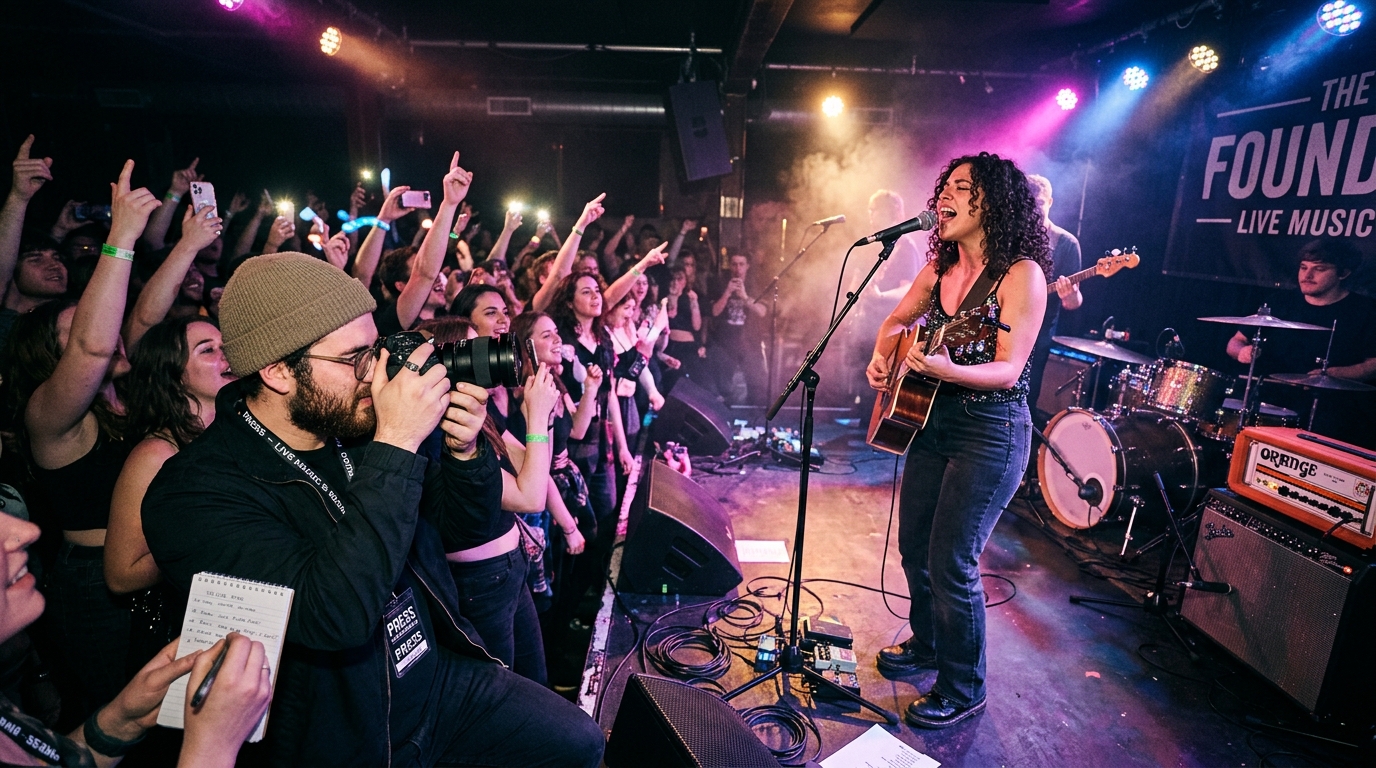
The music industry has transformed dramatically over the last two decades. Traditional radio stations, printed magazines, and television channels are no longer the only sources people use to discover new music and artists. Instead, online platforms, digital publications, streaming services, and social media now dominate the global entertainment landscape. Within this changing environment, interest in personalities connected to music journalism and online music communities continues growing rapidly. One topic that has recently attracted attention online is Elena from music site TheSoundsTour.
As audiences spend more time online, music-related websites have become powerful spaces for discovering artists, reading reviews, exploring concert coverage, and following entertainment trends. Readers today want more than basic news updates. They look for authentic opinions, emotional storytelling, industry insights, and personal perspectives from writers who genuinely understand music culture.
The rise of online music journalism has also changed how artists gain popularity. Independent musicians can now build loyal audiences through blogs, review websites, interviews, and social media exposure without depending entirely on traditional record labels. This shift has increased the importance of digital music personalities and entertainment-focused platforms.
In this article, we will explore the growing interest surrounding Elena from music site TheSoundsTour, while also discussing modern music journalism, online music communities, artist promotion, streaming culture, and the future of digital entertainment platforms.
Understanding Elena From Music Site TheSoundsTour
TheSoundsTour appears connected to music discussions, artist coverage, entertainment journalism, and digital music culture. Interest in Elena from music site TheSoundsTour reflects how audiences increasingly become curious about the personalities behind online entertainment platforms.
Readers often follow music writers and contributors because they provide:
- Music recommendations
- Artist insights
- Concert experiences
- Industry commentary
- Honest entertainment opinions
Modern audiences appreciate personalities who communicate authentically and understand evolving music trends.
As music journalism becomes more personalized online, writers and contributors often develop loyal followings similar to influencers and creators.
The Rise of Digital Music Platforms
The internet has completely transformed how people consume music. In previous decades, discovering new artists depended heavily on radio stations, MTV, music magazines, and physical album sales.
Today, audiences discover music through:
- Streaming services
- YouTube channels
- Social media platforms
- Music blogs
- Online reviews
Digital accessibility has allowed artists from around the world to reach listeners instantly without traditional industry gatekeepers.
This shift has also increased the importance of online music commentary and entertainment journalism.
Why Music Journalism Still Matters
Despite the rise of streaming algorithms and automated recommendations, music journalism remains highly valuable.
Music writers help audiences:
- Understand artistic meaning
- Discover underground artists
- Analyze albums deeply
- Explore cultural influences
- Follow industry developments
Human perspectives still matter because music is emotional, personal, and culturally connected.
Algorithms may suggest songs, but music journalism often creates deeper emotional engagement and storytelling around artists and performances.
Elena’s Role in Modern Music Media
Interest in Elena from music site TheSoundsTour likely reflects the growing role individuals play in shaping digital entertainment discussions.
Modern music personalities often contribute through:
- Reviews
- Interviews
- Editorial content
- Social commentary
- Artist coverage
Online audiences increasingly trust relatable voices over large corporate media brands.
Writers who demonstrate passion, authenticity, and industry understanding frequently build stronger reader loyalty over time.
TheSoundsTour and Its Online Presence
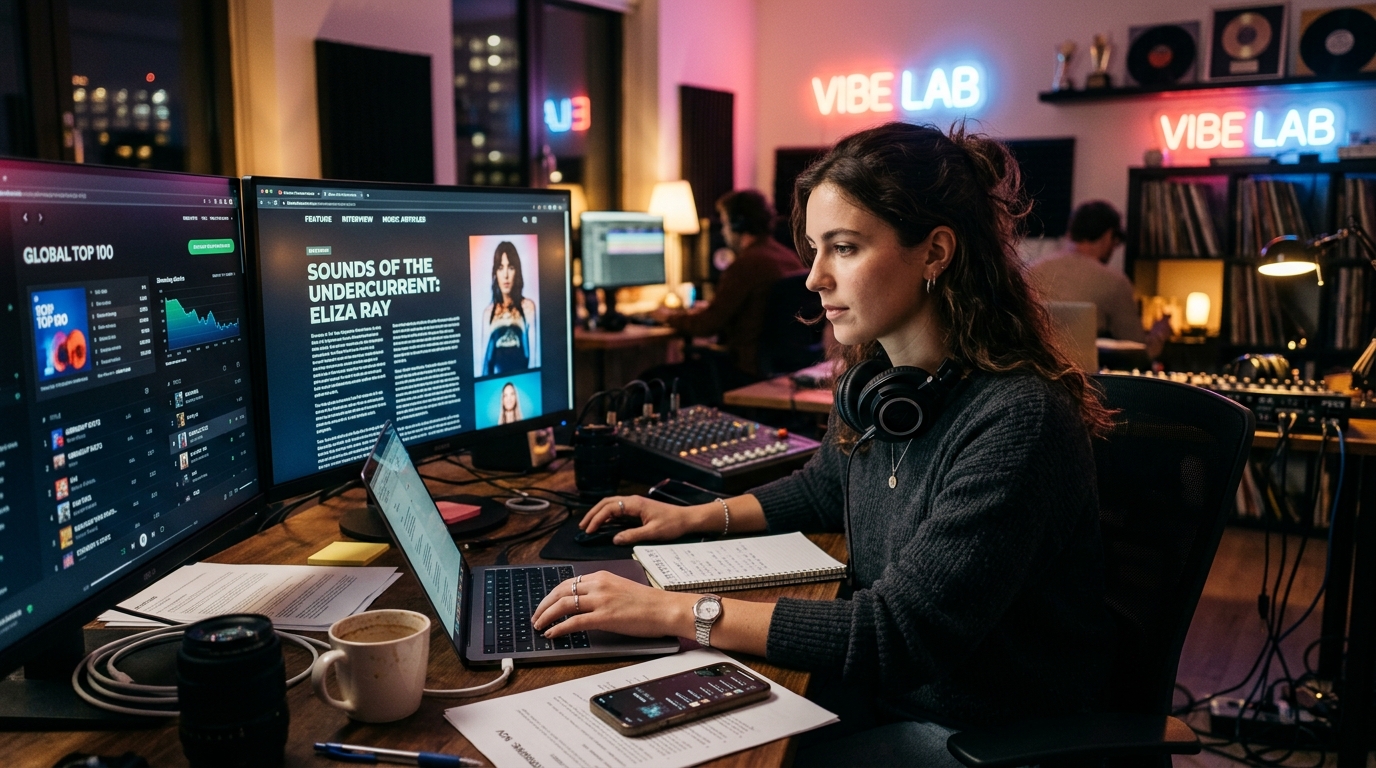
TheSoundsTour represents the type of digital entertainment platform that has become increasingly important in modern music culture.
Music websites today often cover:
- Album reviews
- Artist interviews
- Concert tours
- Music industry news
- Streaming trends
The popularity of entertainment websites continues growing because audiences constantly seek fresh content related to artists and music culture.
Online platforms now compete directly with traditional entertainment publications.
How Music Blogs Shape Artist Popularity
Music blogs have become powerful promotional tools in the entertainment industry. Independent musicians especially benefit from online exposure because digital coverage can introduce their work to entirely new audiences.
Music blogs help artists by:
- Increasing visibility
- Building credibility
- Generating fan discussions
- Supporting music discovery
Positive reviews and interviews often help emerging artists gain momentum online.
Some artists have built successful careers largely through internet-based exposure and digital communities.
Elena’s Writing Style and Audience Connection
One reason readers become attached to music personalities is emotional connection. Audiences appreciate writers who communicate honestly and passionately about entertainment topics.
Strong music writing often includes:
- Personal storytelling
- Cultural understanding
- Emotional interpretation
- Clear opinions
- Reader relatability
Music audiences frequently follow personalities whose tastes and perspectives align with their own interests.
This emotional relationship helps online music communities grow stronger over time.
Music Reviews and Industry Influence
Music reviews remain an important part of entertainment journalism. While streaming allows instant access to songs and albums, reviews help audiences understand artistic themes, production quality, and cultural significance.
Reviews often influence:
- Listener curiosity
- Album popularity
- Online discussions
- Artist reputation
Effective music reviews typically discuss:
- Lyrics
- Production quality
- Vocal performance
- Emotional impact
- Creative direction
Writers who provide thoughtful analysis often develop strong reputations among dedicated music fans.
The Evolution of Online Music Journalism
Music journalism has evolved significantly from printed magazines to digital-first content.
Modern music journalism now includes:
- Social media content
- Podcast discussions
- Video interviews
- Interactive fan engagement
- Live streaming commentary
Writers today often function as both journalists and digital creators.
This evolution allows audiences to interact more directly with music personalities than ever before.
Social Media and Music Discovery
Social media platforms have changed how music spreads globally. Viral clips, fan edits, and short-form videos can introduce songs to millions of listeners within hours.
Popular platforms influencing music discovery include:
- TikTok
- YouTube
- X
- Spotify playlists
Music websites and personalities now operate within this larger digital ecosystem.
Social media has also blurred the line between fans, creators, journalists, and influencers.
Independent Artists and Digital Exposure
Independent musicians benefit enormously from online music coverage because they often lack the marketing budgets of major labels.
Digital platforms help independent artists:
- Reach global audiences
- Build communities
- Promote concerts
- Share creative stories
Many emerging musicians depend heavily on blogs and online publications for visibility.
This has made independent music journalism increasingly valuable in modern entertainment culture.
Why Readers Follow Music Personalities Online
Audiences often follow entertainment personalities for reasons beyond factual information.
Readers connect with music writers because of:
- Shared musical taste
- Personality and humor
- Honest opinions
- Emotional storytelling
- Cultural awareness
Music communities frequently form around trusted voices who consistently provide engaging entertainment commentary.
This explains why individual contributors can become almost as recognizable as the platforms they write for.
The Importance of Authentic Music Opinions
Authenticity matters greatly in entertainment journalism. Audiences quickly lose trust in writers who appear overly promotional or disconnected from real music culture.
Authentic music commentary often feels:
- Personal
- Honest
- Passionate
- Relatable
Readers appreciate balanced reviews that acknowledge both strengths and weaknesses in artistic projects.
This trust helps online platforms maintain loyal audiences long term. elena from music site thesoundstour.
Music Trends in the Streaming Era
Streaming has fundamentally changed music industry economics and listening habits.
Major streaming-era trends include:
- Shorter song lengths
- Viral marketing strategies
- Playlist-driven popularity
- Global music accessibility
- Faster trend cycles
Artists now compete not only for album sales but also for streaming attention and online visibility.
Music journalism helps audiences navigate this rapidly changing entertainment environment. elena from music site thesoundstour.
Elena’s Possible Influence on Emerging Artists
Personalities connected to music platforms can influence artist growth by increasing visibility and encouraging fan engagement.
Music writers often help:
- Highlight underrated artists
- Promote new releases
- Create online discussion
- Expand audience awareness
In digital entertainment culture, even smaller platforms can significantly impact artist discovery if their audiences are engaged and loyal. elena from music site thesoundstour.
Concert Culture and Live Music Coverage
Live music remains one of the most important parts of entertainment culture despite the growth of streaming platforms.
Concert coverage often includes:
- Performance reviews
- Tour updates
- Audience experiences
- Behind-the-scenes insights
Fans enjoy reading concert-related content because it creates emotional connection and excitement around live events.
Music websites frequently use live coverage to strengthen audience engagement. elena from music site thesoundstour.
The Relationship Between Fans and Music Media
Music fans often build emotional relationships with entertainment platforms and personalities.
This connection exists because music itself is deeply emotional and personal.
Fans look for:
- Shared enthusiasm
- Community interaction
- Honest recommendations
- Cultural belonging
Online music journalism helps create spaces where audiences can discuss artists, trends, and performances together. elena from music site thesoundstour.
Challenges Facing Online Music Platforms
Although digital music media has expanded rapidly, it also faces significant challenges.
Common challenges include:
- High competition
- Social media algorithm changes
- Revenue difficulties
- Content saturation
- Audience attention shifts
Entertainment websites must constantly adapt to changing digital trends to remain visible and relevant. elena from music site thesoundstour.
The Future of Music Blogging and Reviews
Music journalism will likely continue evolving alongside technology and audience behavior.
Future trends may include:
- AI-assisted recommendations
- Interactive fan communities
- Virtual concert coverage
- Personalized content experiences
However, human perspectives and authentic storytelling will likely remain valuable despite technological changes.
People continue seeking emotional connection and cultural interpretation beyond automated recommendations. elena from music site thesoundstour.
How TheSoundsTour Reflects Modern Music Culture
TheSoundsTour reflects broader trends in modern digital entertainment.
Today’s music culture is:
- Fast-moving
- Social-media-driven
- Community-focused
- Highly interactive
Entertainment platforms succeed when they combine timely coverage with authentic audience connection.
Readers now expect entertainment content to feel personal, engaging, and culturally aware. elena from music site thesoundstour.
The Business Side of Online Music Media
Entertainment platforms also function as digital businesses.
Revenue sources may include:
- Advertising
- Sponsored content
- Affiliate partnerships
- Social media collaborations
The business side of music journalism has become increasingly competitive due to the enormous amount of entertainment content published online daily. elena from music site thesoundstour.
Platforms that develop strong audience trust usually perform better long term.
Future Possibilities for Elena and TheSoundsTour
As digital entertainment continues expanding, personalities associated with online music platforms may gain even greater visibility.
Possible future opportunities include:
- Podcasting
- Video interviews
- Social media expansion
- Live event coverage
- Artist collaborations
The entertainment industry increasingly values personalities who can combine journalism, storytelling, and audience engagement effectively. elena from music site thesoundstour.
Final Thoughts
Interest in Elena from music site TheSoundsTour reflects larger trends within modern entertainment culture. Audiences today care not only about artists and songs but also about the personalities shaping online music conversations.
Digital music journalism has become more personal, interactive, and community-driven than ever before. Writers, reviewers, and contributors now influence artist visibility, audience discussions, and entertainment discovery across global online platforms.
As streaming culture and social media continue evolving, music-focused personalities and entertainment platforms will likely remain important parts of digital music communities. elena from music site thesoundstour.
Conclusion
The growing online curiosity surrounding Elena from music site TheSoundsTour highlights how modern music journalism has evolved into a highly interactive digital experience. Music audiences today want more than automated playlists and algorithm-based recommendations. They seek authentic voices, emotional storytelling, honest reviews, and engaging personalities who understand entertainment culture deeply.
TheSoundsTour represents the broader transformation happening in music media, where online platforms and contributors help shape artist visibility, fan engagement, and entertainment discussions worldwide.
From music reviews and concert coverage to streaming trends and independent artist promotion, digital music journalism continues playing an important role in modern entertainment culture. As technology evolves further, personalities connected to online music communities may become even more influential in how audiences discover and experience music globally. elena from music site thesoundstour.
FAQs
1. What is TheSoundsTour?
TheSoundsTour is associated with music-related content, artist discussions, entertainment journalism, and digital music culture.
2. Why is Elena from music site TheSoundsTour gaining attention?
People are increasingly interested in personalities connected to online entertainment platforms and music journalism communities.
3. Why are music blogs still important today?
Music blogs help audiences discover artists, understand albums, and explore entertainment culture beyond streaming algorithms.
4. How do music websites help independent artists?
They increase visibility, promote new releases, and help artists reach larger audiences online.
5. What role does social media play in music discovery?
Social media platforms help songs, artists, and entertainment trends spread rapidly to global audiences.